

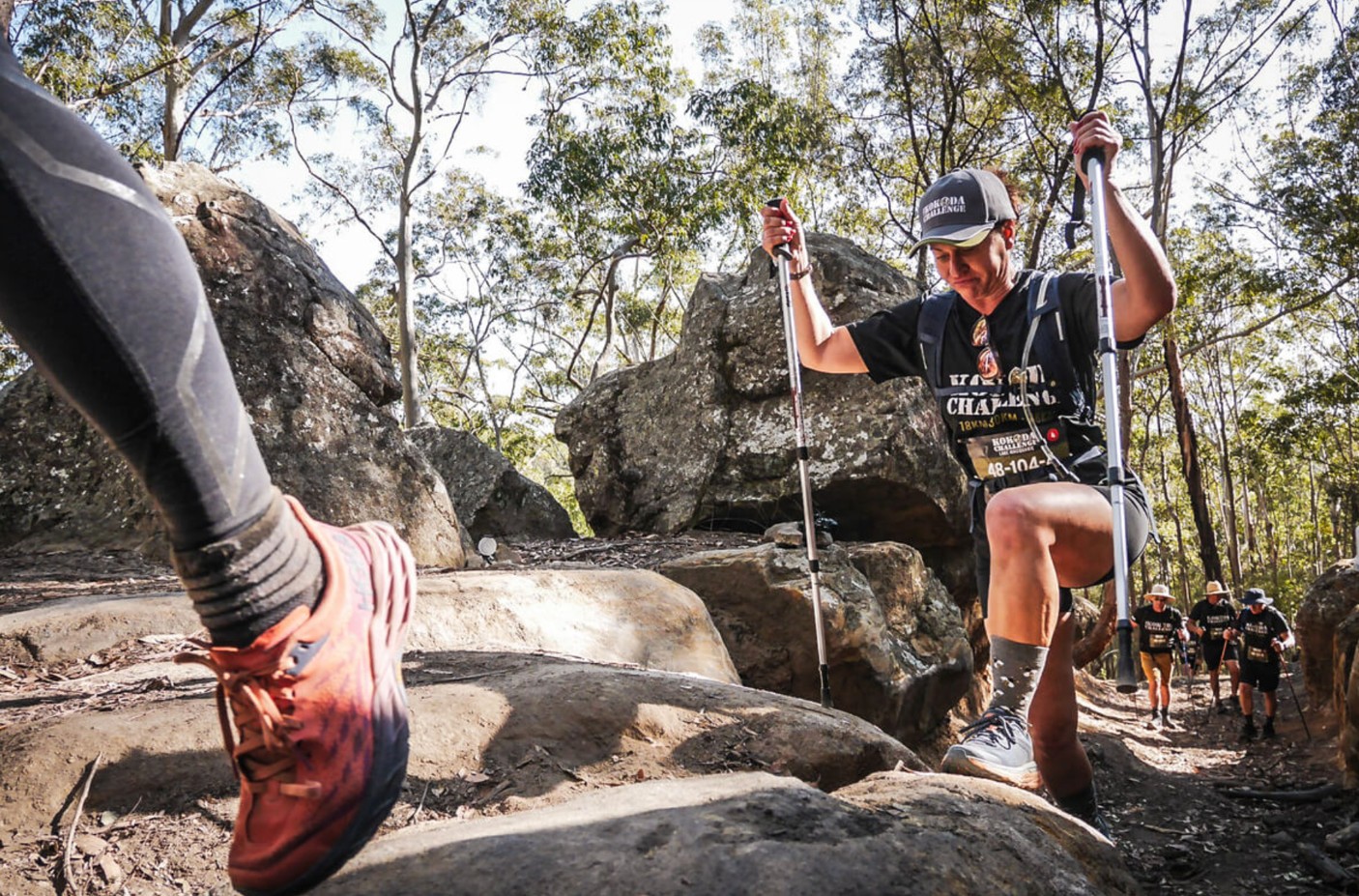
Hiking for beginners involves choosing suitable trails, using basic gear, and building fitness gradually. Starting with short, well-marked walks and progressing over time improves safety, confidence, and endurance for longer hikes.
Hiking is one of the most accessible ways to improve fitness and spend time outdoors. It also builds the foundation required for more demanding endurance events such as the Kokoda Challenge, where distance, elevation, and endurance increase significantly.
What Does Hiking for Beginners Involve?
Hiking for beginners involves walking on marked trails with a focus on safety, navigation, and gradual fitness improvement.
A beginner hike typically includes:
- Distance: 3–8 km
- Duration: 1–3 hours
- Terrain: flat or gently undulating tracks
- Environment: national parks, coastal paths, or well-maintained bush trails
Hiking differs from casual walking because terrain is uneven, elevation changes are common, and preparation becomes more important.
How to Start Hiking (Step-by-Step)
To start hiking, follow five practical steps that build confidence and reduce risk.
1. Choose the Right First Trail
Choosing an easy, well-marked trail reduces fatigue and navigation risk.
Look for:
- Loop tracks with clear signage
- Flat or gently sloped terrain
- Popular locations with regular foot traffic
Examples include coastal walks, park circuits, and short national park trails. Avoid steep climbs or remote tracks for your first few hikes.
2. Start with Short Distances
Starting with short distances builds endurance without overexertion.
Use this progression:
- Week 1–2: 3 km
- Week 3–4: 5 km
- Week 5+: 7–10 km
Increasing distance gradually improves stamina and reduces the risk of injury.
3. Use Basic Hiking Gear
Basic hiking gear improves comfort, safety, and overall performance.
Key items include:
- Footwear: Trail runners or hiking boots with grip and support
- Backpack: 15–25L daypack for essentials
- Clothing: Moisture-wicking layers and a hat
- Hydration: 1–2 litres of water per hike
- Food: Snacks such as fruit, nuts, or muesli bars
Wearing proper footwear is the most important factor for preventing discomfort and injury.
4. Learn Basic Navigation
Basic navigation ensures you stay on track and avoid unnecessary detours.
- Use trail apps such as AllTrails or park maps
- Follow markers, signs, and track indicators
- Stay on designated paths at all times
Navigation skills become more important as distance and trail difficulty increase.
5. Build Fitness Gradually
Gradual fitness improvement increases endurance and reduces strain on joints and muscles.
Effective methods include:
- Walking 2–3 times per week
- Adding hills or stairs to your routine
- Increasing distance in small increments
Consistency matters more than intensity at the beginner stage.
Beginner Hiking Gear Checklist
A clear checklist ensures you carry essential items for safety and comfort.
|
Category |
Item Examples |
Why It Matters |
|
Footwear |
Hiking boots, trail runners |
Grip and support on uneven terrain |
|
Clothing |
Lightweight shirt, hat, jacket |
Temperature and sun protection |
|
Hydration |
1–2L water, electrolyte drink |
Prevent dehydration |
|
Food |
Muesli bars, fruit, nuts |
Maintain energy levels |
|
Safety |
First aid kit, phone, torch |
Emergency preparedness |
How to Choose Your First Hiking Trail
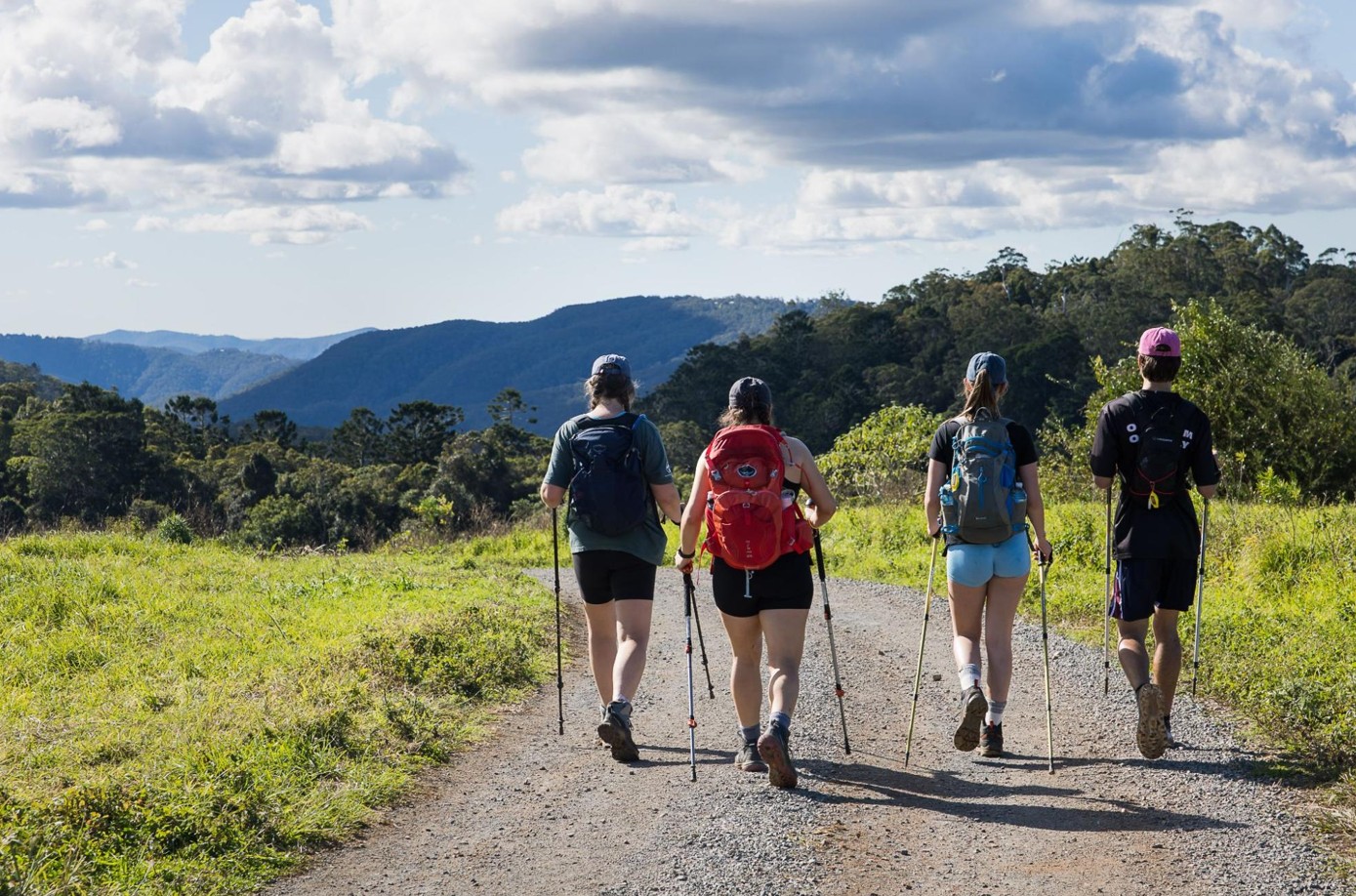
Choosing your first hiking trail depends on distance, elevation, and accessibility.
Use these benchmarks:
- Distance: 3–5 km
- Elevation gain: under 200 metres
- Trail type: loop tracks with clear signage
- Location: within 30–45 minutes of home
If you can comfortably walk the distance on flat ground, the trail is suitable for a first hike.
Common Beginner Hiking Mistakes to Avoid
Avoiding common mistakes improves safety and enjoyment from your first hike.
- Starting with a trail that is too long or steep
- Wearing unsuitable shoes such as casual sneakers
- Carrying insufficient water or food
- Ignoring weather conditions or heat
- Hiking alone in isolated areas without preparation
How to Train for Longer Hikes (6-Week Progression Plan)
Training for longer hikes involves increasing distance and elevation over time.
|
Week |
Distance |
Elevation |
Focus |
|
1–2 |
3 km |
Flat |
Build routine |
|
3–4 |
5 km |
Light hills |
Improve endurance |
|
5–6 |
8–10 km |
Moderate hills |
Build strength |
Adding hills prepares your body for uneven terrain and sustained climbs.
Hiking Safety Tips for Beginners
Hiking safety depends on preparation, awareness, and communication.
- Inform someone of your route and return time
- Check weather conditions before starting
- Begin early to avoid low light conditions
- Stay on marked trails
- Carry a fully charged phone
How to Prepare for a Challenge Like the Kokoda Challenge
Preparing for the Kokoda Challenge involves building distance, elevation, and team endurance over time.
The event includes four key demands:
- Distance: 18km, 30km, 48km, and 96km courses
- Elevation: sustained climbs and descents on uneven terrain
- Team format: all members must stay together and finish together
- Fundraising: participants raise funds to support youth programs
These factors mean preparation goes beyond casual hiking. Training must reflect the terrain, distance, and team dynamic.
How Beginner Hikes Translate to Kokoda Readiness
Beginner hiking directly builds the physical and mental capacity required for long-distance events.
Consistent hiking develops:
- Endurance: longer distances become manageable through weekly progression
- Leg strength: hills and uneven ground strengthen key muscle groups
- Trail confidence: familiarity with terrain reduces fatigue and hesitation
- Mental resilience: completing longer hikes builds discipline and focus
A beginner who progresses from 3km walks to 10km hikes with elevation creates a strong base for structured Kokoda training.
Simple Progression From Beginner to Challenge-Ready
A clear progression plan bridges the gap between beginner hiking and event readiness.
|
Stage |
Distance |
Terrain |
Focus |
|
Beginner |
3–5 km |
Flat |
Build routine |
|
Intermediate |
6–10 km |
Light hills |
Improve endurance |
|
Advanced |
10–20 km |
Moderate hills |
Strength and stamina |
|
Event Prep |
20km+ |
Steep terrain |
Simulate event conditions |
Progression depends on consistency. Weekly hikes with gradual increases in distance and elevation produce the best results.
Thinking About Taking on the Kokoda Challenge?
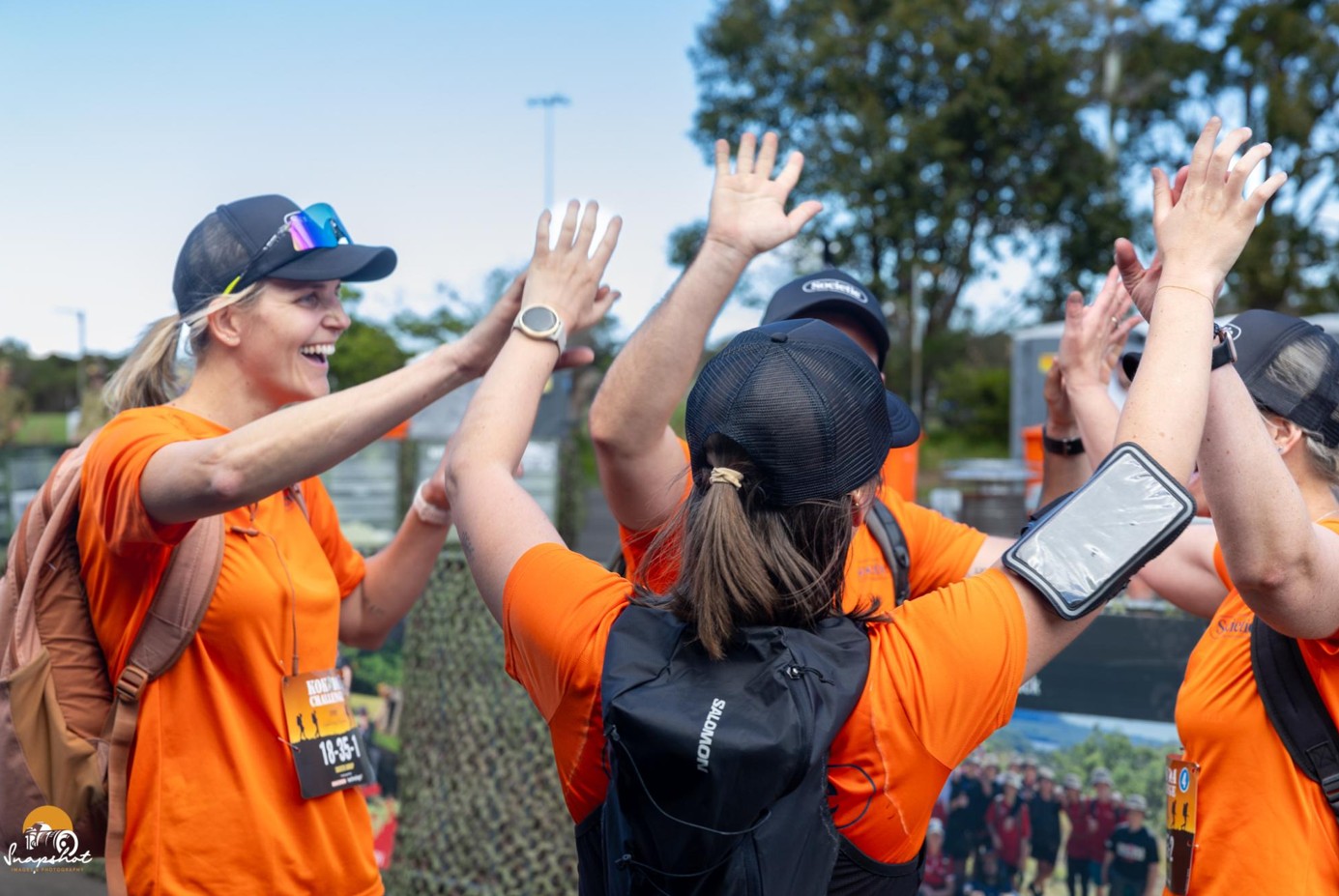
The Kokoda Challenge gives your hiking a clear purpose and a measurable goal.
Events take place across:
Each location offers multiple distances, making the event accessible for beginners and experienced hikers.
You do not need advanced experience to get started. You need a starting point, a plan, and a goal.
Sign up for the Kokoda Challenge and turn your training into a meaningful achievement that supports youth programs and builds lasting resilience.
Frequently Asked Questions
How far should a beginner hike?
Beginners hike 3–5 km on flat terrain to build endurance safely and reduce fatigue.
How far should a beginner hike?
A first hike requires supportive shoes, water, snacks, weather-appropriate clothing, and a basic safety kit.
Is hiking good for fitness?
Hiking improves cardiovascular fitness, leg strength, and endurance through consistent, low-impact movement.
How do I prepare for longer hikes like Kokoda?
Preparation includes gradual distance increases, hill training, and consistent walking sessions each week.

