

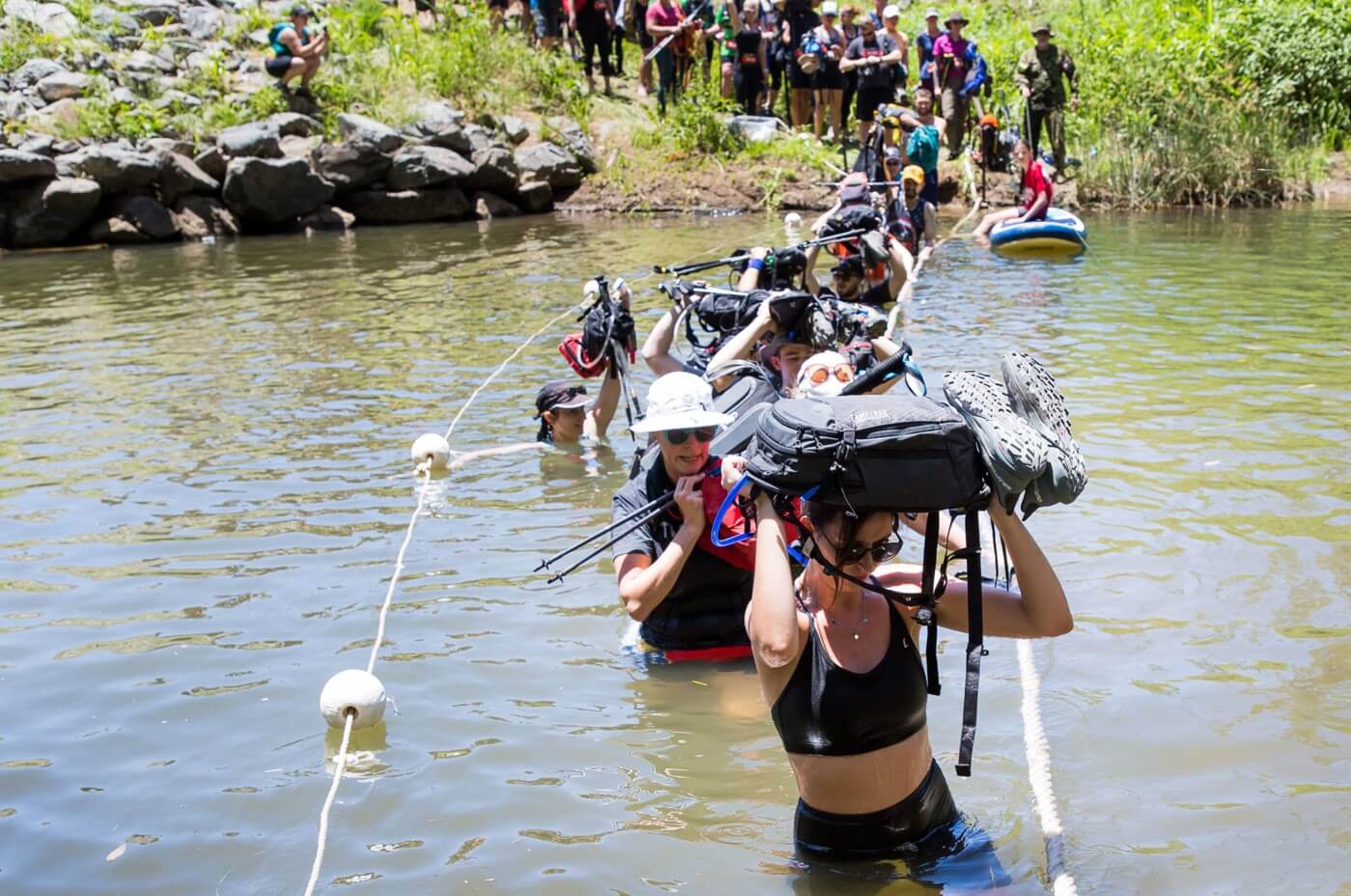
To pack a hiking bag properly, place heavy items close to your back, keep essential gear easy to access, and match your pack weight to the distance, terrain, and weather conditions of your hike. A well-packed bag reduces fatigue, improves balance, and makes long walks more comfortable.
Most people focus on what to bring on a hike. Fewer people think about where each item goes. That difference becomes noticeable after the first few kilometres, especially on steep trails, hot days, or longer endurance walks.
Whether you are preparing for a short bushwalk or training for an event like the Kokoda Challenge, packing your hiking bag correctly makes a big difference.
What to Bring on a Hike in Australia
Australian hiking conditions change quickly. Heat, humidity, storms, and limited phone reception make preparation important even on shorter walks.
Essential hiking gear
Most hikes require:
- water
- food
- sun protection
- navigation
- weather protection
- basic first aid
Sun protection matters more than most people realise
Australian UV levels remain high even during cooler months.
Pack:
- SPF50+ sunscreen
- wide-brim hat
- sunglasses
- lightweight long sleeves
A dehydrated or sunburnt hiker loses energy quickly.
Always carry a rain layer
Rain arrives fast in many hiking regions, including the Sunshine Coast hinterland, Blue Mountains, and Lamington National Park.
A lightweight waterproof jacket takes up little space but changes the experience of a wet hike completely.
Phone batteries drain faster outdoors
Tracking apps, maps, and camera use drain batteries quickly.
Bring:
- portable power bank
- charging cable
- offline maps
Many Australian trails have limited reception.
Quick Hiking Bag Packing Checklist
|
Hike Type |
Water |
Food |
Key Gear |
|
2-hour walk |
1L |
Snacks |
Hat, sunscreen, phone |
|
Half-day hike |
2L |
Snacks + lunch |
Rain jacket, first aid kit |
|
Full-day hike |
3L |
High-energy food |
Headtorch, navigation, electrolytes |
|
Endurance hike |
3–5L |
Frequent fuel snacks |
Compression gear, blister care, spare socks |
How to Pack Your Hiking Bag in the Right Order
The best way to pack a hiking bag is to distribute weight evenly while keeping important items accessible.
Bottom of the bag: Light and non-urgent items
Pack soft or lightweight gear at the bottom of your bag.
Examples:
- spare clothes
- sleeping gear
- towel
- lightweight layers
This creates a stable base and prevents harder items from digging into your lower back.
Middle of the bag: Heavy items
Place heavy items close to your spine and around shoulder height.
Examples:
- water reservoir
- food
- cooking gear
- camera equipment
This positioning improves balance and reduces shoulder strain. Heavy gear packed too far away from your back pulls your posture backwards and increases fatigue.
Top of the bag: Frequently used items
Keep items you may need quickly near the top.
Examples:
- rain jacket
- first aid kit
- snacks
- headtorch
This prevents constant unpacking during the hike.
Outer pockets: Grab-and-go gear
Use side and front pockets for small essentials.
Examples:
- sunscreen
- electrolytes
- insect repellent
- map
- phone
- water bottles
Many hikers waste energy stopping and unpacking for basic items. Easy access keeps your pace more consistent.
How Much Water and Food Should You Pack?
Most hikers underestimate water needs.
Water guide by hike length
|
Hike Duration |
Recommended Water |
|
Under 2 hours |
1L |
|
2–4 hours |
2L |
|
Full-day hike |
3L+ |
|
Hot or steep conditions |
Add 1–2L |
Electrolytes help replace salt lost through sweat during long or humid hikes.
Best foods for hiking
Pack foods that are lightweight and easy to eat while moving.
Good options include:
- trail mix
- bananas
- wraps
- muesli bars
- jerky
- electrolyte chews
Long hikes rely on steady energy intake. Eating small amounts regularly works better than one large stop.
What Not to Pack in Your Hiking Bag
A heavier bag does not make you more prepared.
Avoid:
- bulky “just in case” items
- heavy glass containers
- cotton clothing
- duplicate gear
- untested equipment
Cotton absorbs sweat and stays wet. Wet clothing increases chafing and discomfort during long hikes.
Loose gear also creates problems. Items swinging around inside your bag waste energy and throw off balance on uneven terrain.
Packing for Short Hikes vs Long Training Walks
Short scenic walks and endurance hikes require different packing strategies.
Short hikes
Focus on:
- hydration
- sun safety
- light snacks
- lightweight gear
A smaller 10–20L daypack usually works well.
Long-distance training hikes
Endurance walks require more planning.
Pack:
- electrolytes
- blister care
- layered clothing
- higher-calorie food
- recovery snacks
- trekking poles if needed
Training walks for events like the Kokoda Challenge also help test gear before event day. Small problems become obvious quickly during longer hikes.
Common Hiking Packing Mistakes
Packing too much food
Extra food adds unnecessary weight. Pack enough for the hike duration plus a small emergency backup.
Ignoring weather forecasts
Australian conditions change fast. A sunny morning often turns into afternoon rain or strong wind.
Wearing new gear on a long hike
Test shoes, socks, and backpacks before major hikes or events.
Carrying water incorrectly
Heavy water bottles swinging on one side of the pack affect balance. Use balanced side pockets or a hydration bladder.
Want to Build Up to a Bigger Hiking Challenge?
Packing efficiently becomes more important as hikes get longer and more demanding.
The Kokoda Challenge pushes hikers beyond casual walking with long-distance endurance events across Sunshine Coast, Brisbane, Gold Coast and Sydney. Many participants start with local day hikes before progressing into longer trail training and team-based events.
If you are building hiking fitness, learning how to pack properly early makes every trail more comfortable.
FAQs
What size hiking bag do I need?
Most day hikes suit a 10–30L backpack. Longer hikes or endurance events often require 30–50L packs depending on gear, food, and water needs.
Where should heavy items go in a hiking bag?
Heavy items belong close to your spine and around shoulder height. This improves stability and reduces strain on your back and shoulders.
What do beginners forget to pack?
Many beginners forget:
- electrolytes
- rain jackets
- blister care
- offline maps
- spare socks
These items become important quickly during longer hikes.
How do I stop my hiking bag from hurting my shoulders?
Adjust the hip belt first so your hips carry most of the weight. Tighten shoulder straps second. A properly fitted bag reduces pressure on the shoulders and upper back.

